Jobs at WOLOC
SERVICES
Nursing: The Backbone of Compassionate Healthcare
Where Knowledge Meets Kindness in the Service of Life
Nursing is one of the most vital and enduring pillars of healthcare. It is a profession grounded in compassion, strengthened by scientific knowledge, and sustained by an unshakable commitment to human life. Nurses work tirelessly to ensure that patients receive safe, Take my online nursing class for me respectful, and effective care in moments that often define their lives. Whether in hospitals, clinics, communities, or homes, nursing remains a powerful force that connects medical science with human compassion.
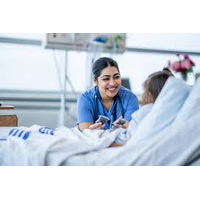
The essence of nursing lies in caring for people during their most vulnerable times. Illness often brings fear, pain, and uncertainty, leaving patients feeling helpless. Nurses step into these moments as caregivers and advocates, offering not only medical assistance but also emotional reassurance. A nurse’s calm presence, attentive listening, and empathetic communication can greatly ease a patient’s distress. This human connection builds trust and creates a sense of security that is essential for healing.
Nurses are responsible for continuous patient care, making them central to the healthcare experience. They monitor vital signs, administer medications, manage pain, and assist with daily activities such as mobility and hygiene. Because nurses spend the most time with patients, they are often the first to notice subtle changes in condition. Their ability to recognize early warning signs and respond promptly plays a critical role in preventing complications and saving lives.
Holistic care is a defining principle of nursing practice. Nurses understand that health is influenced by more than physical symptoms alone. Emotional well-being, mental health, social support, and cultural values all affect recovery. A patient dealing with chronic illness, take my class online for me for example, may struggle with anxiety or depression alongside physical discomfort. Nurses address these needs by offering emotional support, encouragement, and guidance, helping patients cope more effectively with their conditions.
Education is a cornerstone of nursing and a powerful tool for improving health outcomes. Nurses educate patients and families about illnesses, medications, treatments, and preventive care. They teach individuals how to manage chronic conditions, follow treatment plans, and make healthier lifestyle choices. Through clear communication and patient education, nurses empower people to take responsibility for their own health, reducing complications and promoting long-term wellness.
The impact of nursing extends beyond individual patient care into the broader community. Community and public health nurses focus on disease prevention and health promotion. They conduct vaccination drives, health screenings, and awareness programs on topics such as nutrition, hygiene, maternal health, and mental well-being. In many underserved and rural areas, nurses serve as the primary healthcare providers, ensuring that essential services reach those who might otherwise go without care.
Despite its profound importance, nursing is a profession filled with challenges. Nurses often work long shifts under physically and emotionally demanding conditions. They manage heavy workloads, cope with staff shortages, and care for patients in critical situations. Exposure to suffering, trauma, and loss can take a toll on their mental health. Yet, nurses continue to show remarkable resilience, dedication, and professionalism, Capella University Assignment writing services even in the face of adversity.
The emotional labor involved in nursing is immense. Nurses form deep connections with patients and families, sharing in moments of joy, recovery, and grief. Supporting a family during difficult news or providing comfort at the end of life requires great empathy and inner strength. Nurses must balance compassion with professional responsibility, a task that demands emotional intelligence and self-awareness.
Modern nursing continues to evolve with advances in healthcare technology and research. Nurses today work with advanced medical equipment, electronic health records, and evidence-based practices to deliver high-quality care. Continuous education and professional development are essential, allowing nurses to adapt to new treatments and technologies. Specializations such as critical care, oncology, pediatrics, and mental health nursing highlight the expanding scope and diversity of the profession.
Nurses are also increasingly recognized as leaders and advocates in healthcare. Their close involvement in patient care gives them unique insights into healthcare challenges and opportunities for improvement. Nurses advocate for patient rights, safety, and ethical standards while also pushing for better working conditions and healthcare policies. Through leadership and advocacy, nurses contribute to stronger, more equitable healthcare systems.
In conclusion, nursing is the backbone of compassionate healthcare. It is a profession that blends knowledge with kindness, skill with empathy, and science with humanity. Nurses touch lives in countless ways—through expert care, Importance of report writing in nursing patient education, and emotional support. Their work often goes unnoticed, yet its impact is profound and lasting. As healthcare systems continue to evolve, the role of nursing remains indispensable. Nursing is not just a job; it is a lifelong commitment to healing, dignity, and hope.
New jobs {{total_jobs_count}}
{{pagination_label}}
Keywords
Location
Cities
States
Countries
Remote OK
Remote only
Job Category
Job Secondary Category
Job Tags
Job Type
Salary
No jobs were found.
Loading...
{{notification.msg}}
{{field.value|getBooleanValue}}
{{field.value}} {{field.value}} {{field.value}}